

Case Studies
Empowering Organizational Change Through Culture and Data
Explore how OHBI’s tools and methodology have driven meaningful transformation across sectors. Each story presents actionable insights and measurable outcomes to illustrate the power of a data-informed culture strategy.
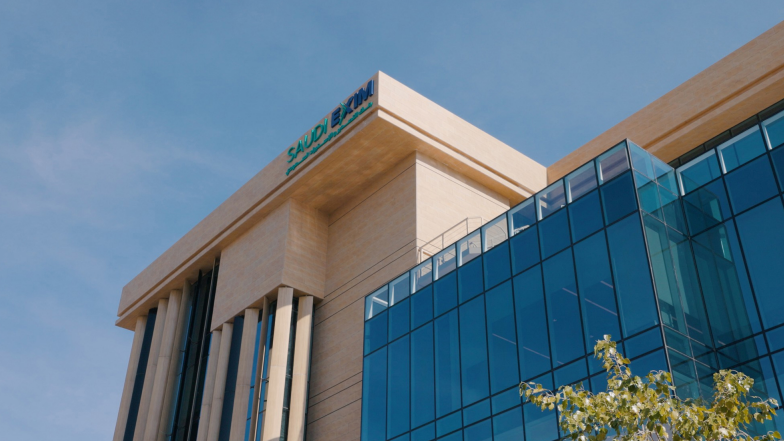
Saudi EXIM Bank is a government-owned institution established to support and enhance the competitiveness of Saudi non-oil exports by providing innovative financing and credit solutions. The bank enables national companies to access global markets through export financing, credit guarantees, and risk mitigation tools tailored to international trade needs.
Alongside its economic mandate, the bank is committed to fostering a healthy and motivating work environment by investing in employee development, launching strategic training programs, and strengthening internal culture. With an OHBI score of 72.42%, Saudi EXIM Bank demonstrates its dedication to building a collaborative, high-performing workplace that supports its strategic ambitions and aligns with Saudi Arabia’s Vision 2030.
Saudi EXIM Bank adopted a comprehensive organizational approach to elevate the employee experience and strengthen workplace culture. Through initiatives centered around institutional awareness, internal communication, capability building, and strategic partnerships, the bank created a more engaging and productive work environment. These efforts included specialized training programs, alignment between departments, and initiatives designed to enhance employee connectedness and foster a culture of collaboration.
This integrated approach led to a notable improvement in the bank’s Organizational Health & Behavior Index (OHBI), achieving an overall score of 72.42%, supported by measurable progress in appreciation, relationships, and organizational alignment. By empowering employees, investing in talent development, and reinforcing internal coherence, Saudi EXIM Bank has positioned itself as a leading example of a supportive and high-performing workplace aligned with the goals of Vision 2030.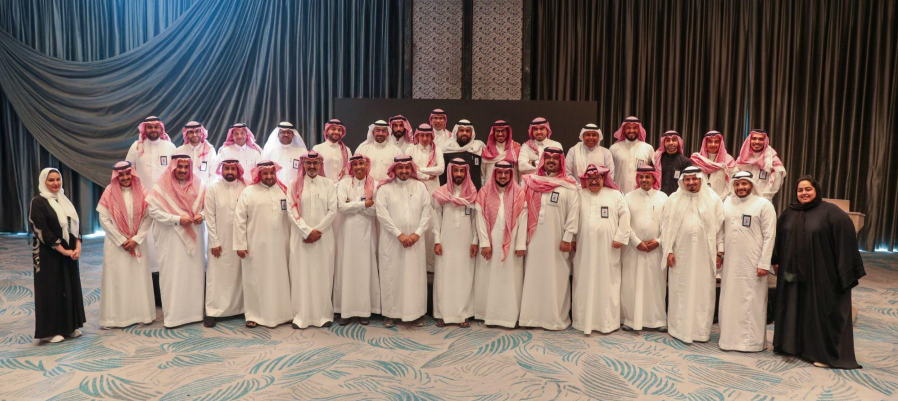
The Makkah Region Development Authority is a development-focused government entity established to advance urban growth, infrastructure, and key strategic projects across the region. Its mandate includes preparing regional master plans and delivering major initiatives that enhance livability and support sustainable development.
The authority places strong emphasis on strengthening its internal work environment through initiatives that enhance digital systems, boost internal communication, and provide training programs that elevate employee performance.
This commitment has resulted in a positive OHBI score of 72.94%, reflecting the authority’s dedication to fostering a healthy, productive, and collaborative workplace culture. The organization continues to drive sustainable development efforts aligned with the goals of Saudi Vision 2030.
Makkah Region Development Authority adopted a structured, Kaizen-driven approach to strengthen internal communication and reinforce a collaborative culture. Through brief post-event surveys, the authority continuously gathers employee feedback, analyzes insights, and implements gradual improvements grounded in data. This approach has increased employee engagement, enhanced the effectiveness of internal activities, and elevated overall satisfaction in a sustainable way.
The methodology delivered a clear impact on the organization’s OHBI performance, achieving a 72.94% score, surpassing the benchmark average—driven by advancements in awareness, relationships, and internal communication. These efforts contributed to the evolution of the organizational culture and reinforced a long-standing participatory environment aligned with the authority’s strategic direction.
By integrating data-driven decision making, employee empowerment, and continuous improvement principles, the authority has become a strong exemplar for healthy workplace practices and effective internal communication across government entities.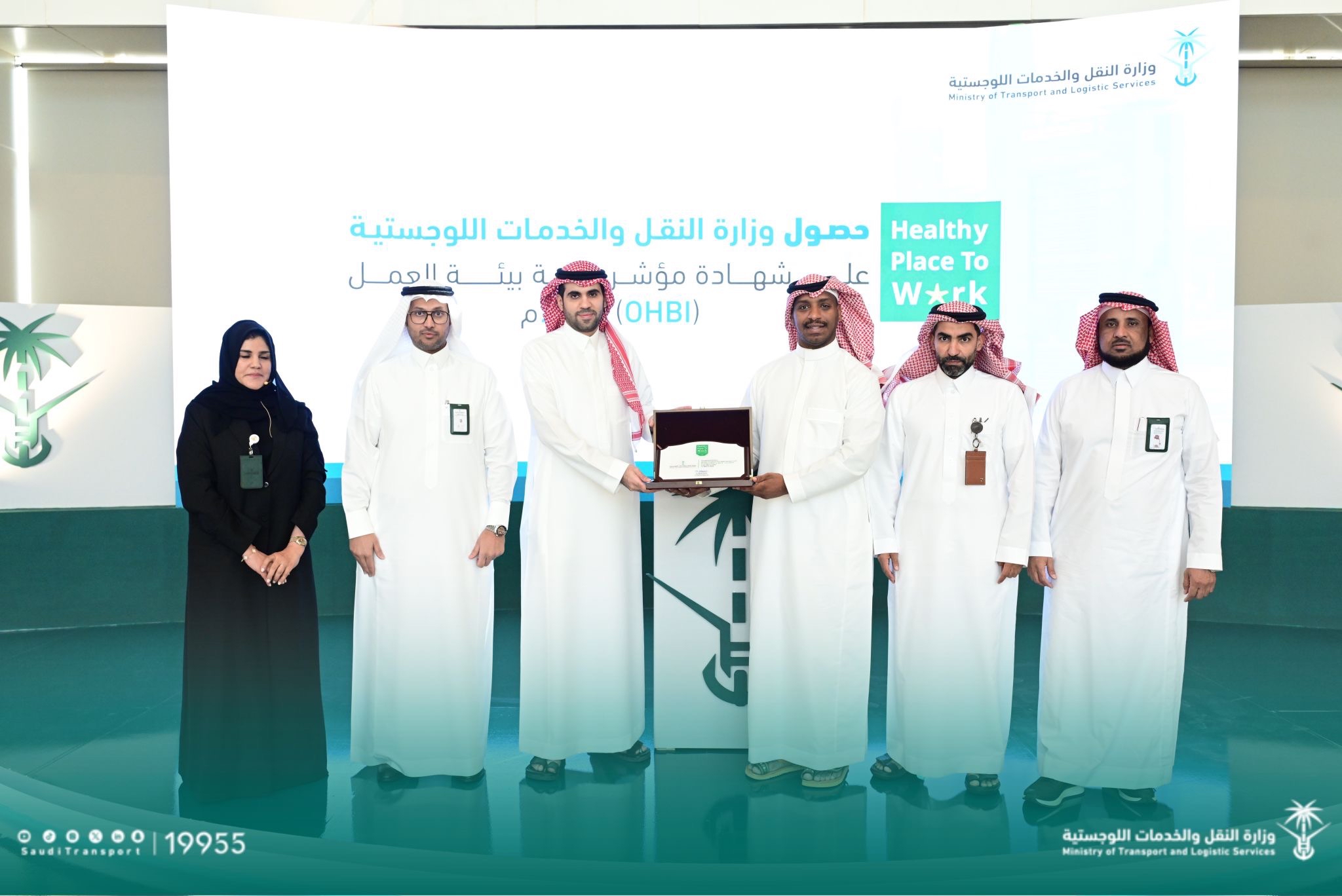
The Ministry of Transport and Logistics Services is one of Saudi Arabia’s most influential government entities, leading national efforts to develop transport infrastructure, enhance road network efficiency, and strengthen logistics connectivity across cities and strategic gateways. The Ministry plays a central role in improving service quality, advancing sustainability, and empowering a sector that is vital to achieving Saudi Arabia’s Vision 2030 objectives.
As part of its commitment to enhancing the employee experience and elevating workplace quality, the Ministry adopted the OHBI methodology to assess organizational culture and overall workplace wellbeing. Using scientifically grounded tools, the Ministry gained deeper insights into employee perceptions, identified strengths and areas for improvement, and analyzed communication patterns and levels of engagement. The assessment also examined the impact of internal initiatives on performance and job satisfaction.
The results revealed notable progress across several cultural dimensions, reflecting the Ministry’s dedication to building a supportive, productive, and high-performing work environment. Insights generated through OHBI enabled the Ministry to craft targeted development plans, launch initiatives that boost awareness and trust, strengthen belonging, and enhance the overall quality of professional life.
Today, the Ministry continues its journey toward fostering a healthy, innovative workplace that empowers national talent to perform at their best—directly contributing to the advancement of the transport and logistics sector and accelerating its transformation toward a more sustainable and efficient future.
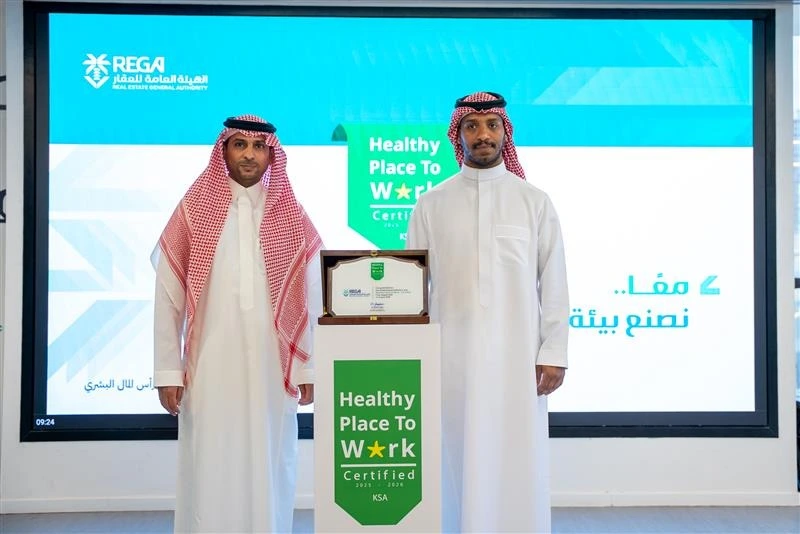
The Real Estate General Authority, established in 2017, serves as a leading regulatory body aiming to develop and regulate the non-governmental real estate sector in Saudi Arabia. The authority seeks to ensure the sustainability of the real estate sector by adopting global best practices and developing policies that promote market stability and protect the rights of workers and investors. The authority places special emphasis on improving its work environment through initiatives such as enhancing internal communication, developing electronic systems, and providing training programs for employees. The authority also achieved positive results in the Organizational Health Behavior Index (OHBI) with a score of 73.23%, reflecting its commitment to fostering a healthy work environment that supports innovation and productivity. The participatory organizational culture promoted by the authority contributes to increasing employee engagement and motivation, driving the achievement of the authority’s future goals. The Real Estate General Authority also aims to strengthen its role in regulating the Saudi real estate sector in alignment with the Kingdom’s Vision 2030.
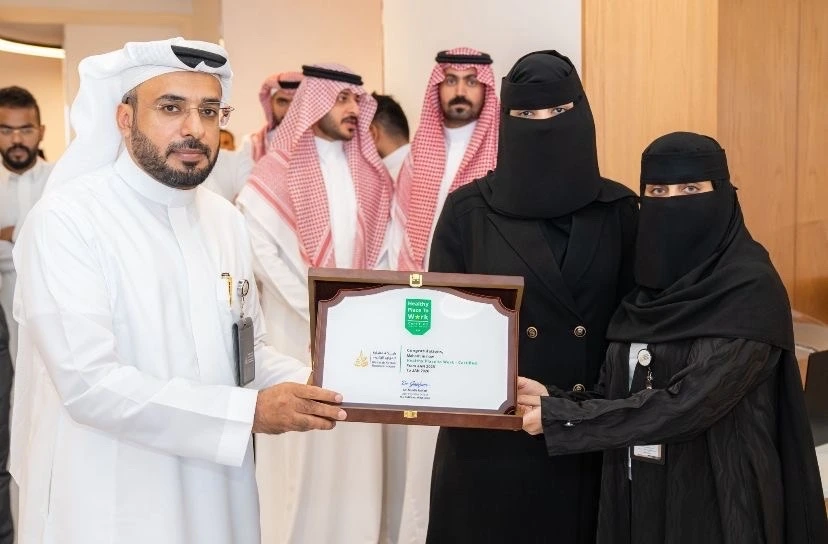
Maharah Human Resources is one of the leading companies in providing human resources solutions in Saudi Arabia, aiming to deliver the best recruitment, training, and consulting services to both public and private sector organizations. The company focuses on enhancing work environments by adopting innovative systems designed to improve performance and increase efficiency. Through its strategy of empowering and motivating employees, Maharah has achieved a high score in the Organizational Health Behavior Index (OHBI), recording 84.61%, reflecting its commitment to providing a healthy work environment that supports innovation and sustainable growth. By adopting a participatory organizational culture, Maharah has made significant improvements in its work environment, including the development of internal systems, strengthening internal communication, and offering specialized training programs to enhance employee skills and leadership capabilities.
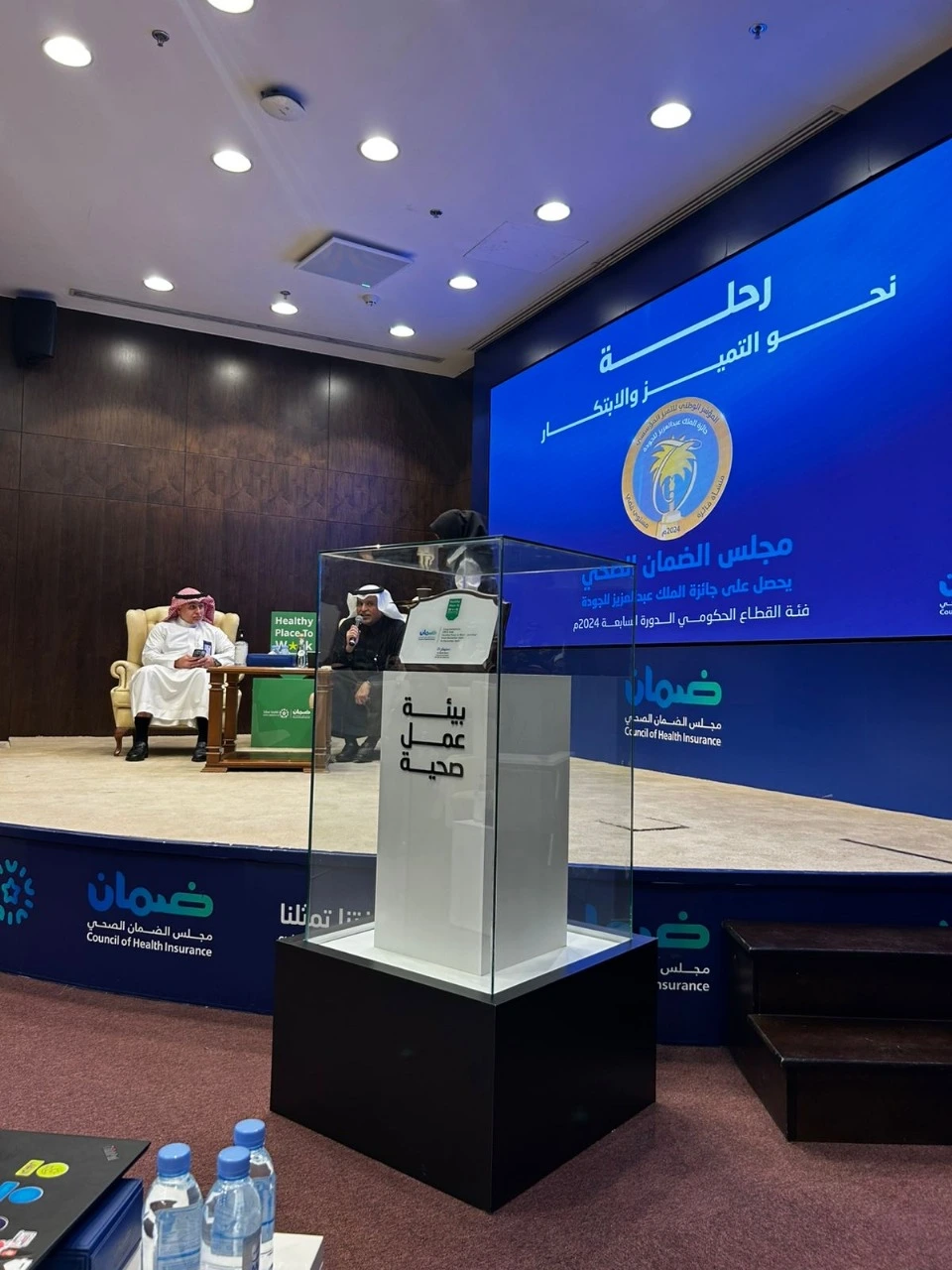
The Council of Cooperative Health Insurance (CHI) is an independent body established in 1999 to regulate the cooperative health insurance system in Saudi Arabia. Located in Riyadh, it employs between 150 to 250 staff members and embraces an “Adhocracy Culture” that promotes flexibility and initiative. The council aims to drive innovation, transparency, and efficiency in the healthcare sector. Through strategic internal communication practices and a focus on creative culture, CHI has significantly improved its work environment. This includes activating its LinkedIn platform to showcase internal initiatives and engage employees, which has contributed to enhancing awareness and internal alignment. The results from the Organizational Health Behavior Index (OHBI) demonstrate a notable improvement in the work environment, with an average score of 76.47%, reflecting the council’s success in fostering communication and organizational performance.

The Real Estate Registry (RER) is the national body responsible for leading property registration operations in Saudi Arabia. With a workforce ranging from 200 to 500 employees, the organization is headquartered in Riyadh and fosters a “Clan Culture” focused on transparency, collaboration, and innovation. RER’s mission is to enhance ownership experiences and reshape the real estate sector in the Kingdom. By adopting innovative solutions powered by technology, the organization aims to simplify property ownership processes, promote informed decision-making among investors, and provide reliable, transparent services. RER’s commitment to a family-oriented culture creates strong internal connections, where employees feel deeply engaged with the organization’s future and leadership, contributing to the collective success and vision of transforming the real estate landscape in Saudi Arabia.

GO Telecommunications (Union Atheeb) has executed a strategic transformation that led to a remarkable 1922% growth in its profits. The company stands out for implementing a participatory organizational culture (Clan Culture) that focuses on strengthening internal communication and enhancing performance. Significant investments were made in the internal environment, improving systems and employee benefits, while increasing financial entitlements based on high performance. Additionally, the company focused on improving policies and procedures, such as implementing flexible working hours and remote work policies. The internal communication department was moved under corporate communications to boost the effectiveness of internal activities. This approach has greatly contributed to fostering a positive work environment and achieving continuous success in the sector.

The National Waste Management Center (Mawen) implemented a range of outstanding internal practices that contributed to building a healthy work environment. These practices included the development of internal systems by creating an online portal that consolidates all services and systems available to employees, enhancing internal communication and streamlining procedures. The center also automated traditional processes to ensure accuracy and speed in transaction handling. Additionally, Mawen invested in developing training and development programs to enhance the leadership and technical competencies of its employees, in partnership with local and international training institutions. The internal communication department, in collaboration with various departments, also launched initiatives to promote environmental sustainability and align employee behaviors with the strategic direction of the center. These efforts contributed to improving the internal environment and achieving positive results in the Organizational Health Behavior Index (OHBI).

The Real Estate Development Fund (REDF) implemented a comprehensive process for restructuring employee placement, which included several strategic initiatives such as updating internal systems, organizing awareness workshops for employees, and conducting cognitive assessments to identify professional development needs. Additionally, Enterprise Resource Planning (ERP) systems were adopted to unify operations and improve operational efficiency. These actions contributed to seamless integration between various departments and enhanced employee engagement, significantly improving employee satisfaction and aligning the organization’s performance with its strategic goals.
